Rafael Carmona
Vendoiro

Astrophysicist & Exoplanet Researcher
MSc Student at Niels Bohr Institute (UCPH) • Research Intern at CAB (CSIC-INTA) • Physics Graduate from UCM

Welcome to My Portfolio

Hi there! Thanks for stopping by 👋
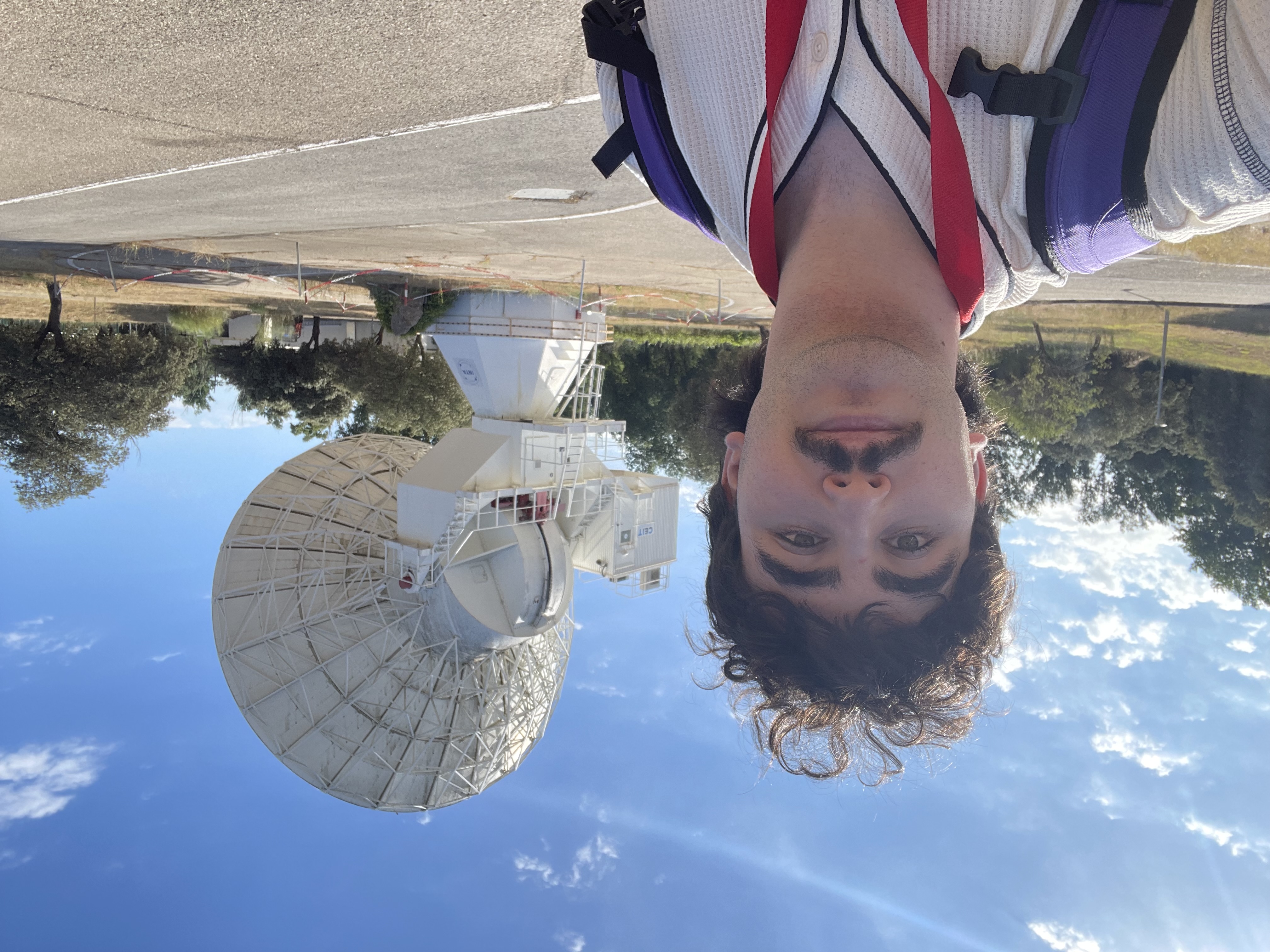
Rafael Carmona Vendoiro (Rafa) ESAC, Madrid

I’m Rafael—though almost everyone calls me Rafa. (In Spain, shortening Rafael to Rafa is second nature, so feel free to use either!)

I am a Physics graduate from Universidad Complutense de Madrid, currently based in Denmark for my Master’s in Astrophysics at the Niels Bohr Institute (University of Copenhagen). My path into astrophysics has always been guided by a deep curiosity about exoplanetary systems, planetary habitability, and astrobiology. Over the years, I’ve developed a strong passion for applying data science to space—building Python pipelines, analyzing observational data, and modeling exoplanetary environments.

But science is only half the picture for me. I consider myself an active, creative, and collaborative person who loves taking initiative—whether that means co-founding a cultural student association back in Madrid or diving into new team dynamics in Copenhagen. I firmly believe that being a good scientist also means being an open-minded communicator.

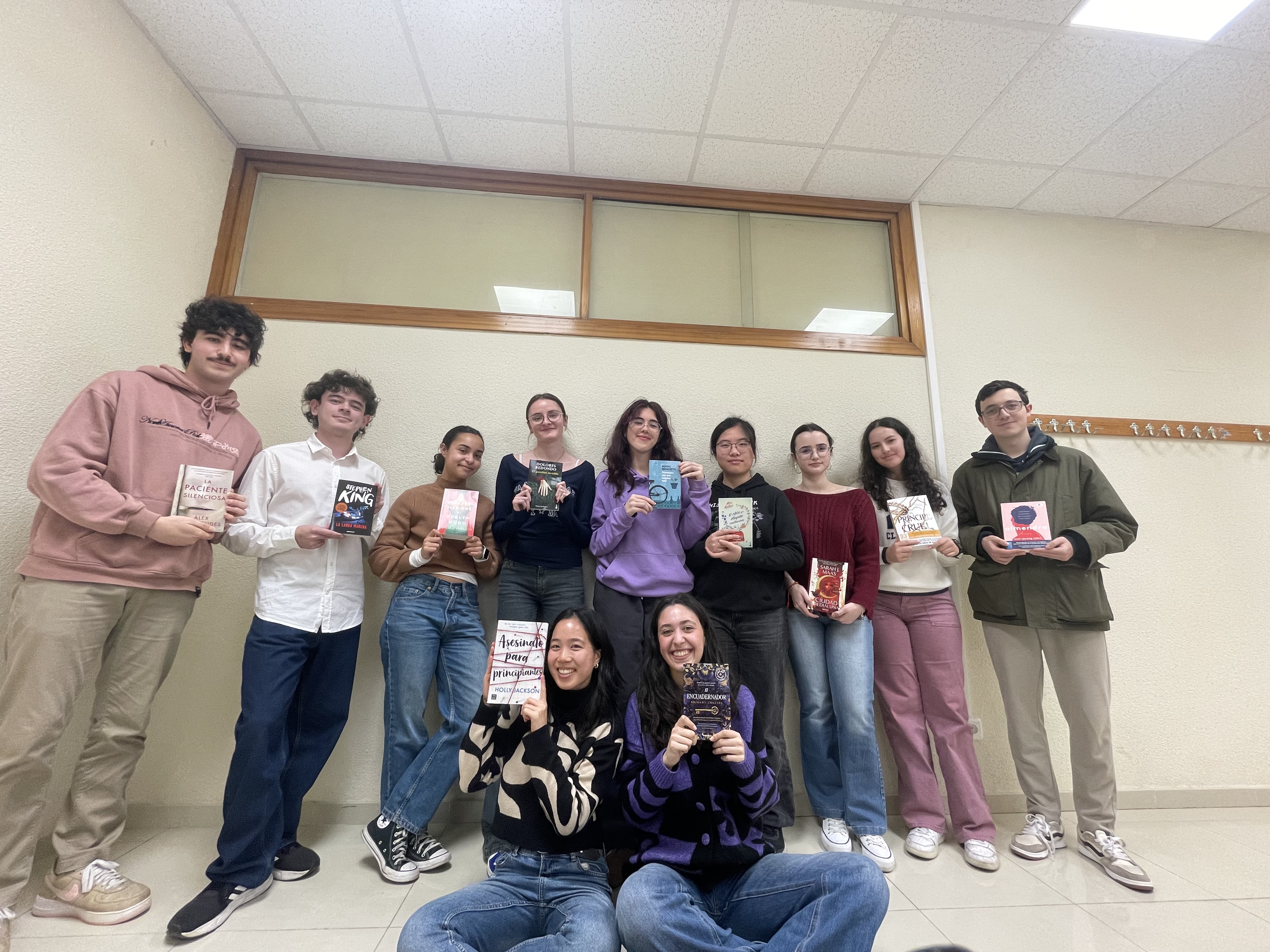
Outside of academia, you’ll usually find me staying active. As a former competitive swimmer, sports are a big part of my daily routine, and I regularly spend time working out at the gym. On the more quiet and creative side, I enjoy reading and writing poetry, which keeps my imagination fresh and my mind clear. I’m also a firm believer in the small rituals: you’ll rarely see me without a good coffee (or hot chocolate) in hand, and I’m always on the lookout for new foods and local spots to try wherever I go.

Take a look around to explore my research and projects, and feel free to reach out if you’d like to chat about exoplanets, code, books, or research!
Current Academic Focus

Searching for Life Beyond Earth &
Exoplanetary Characterization

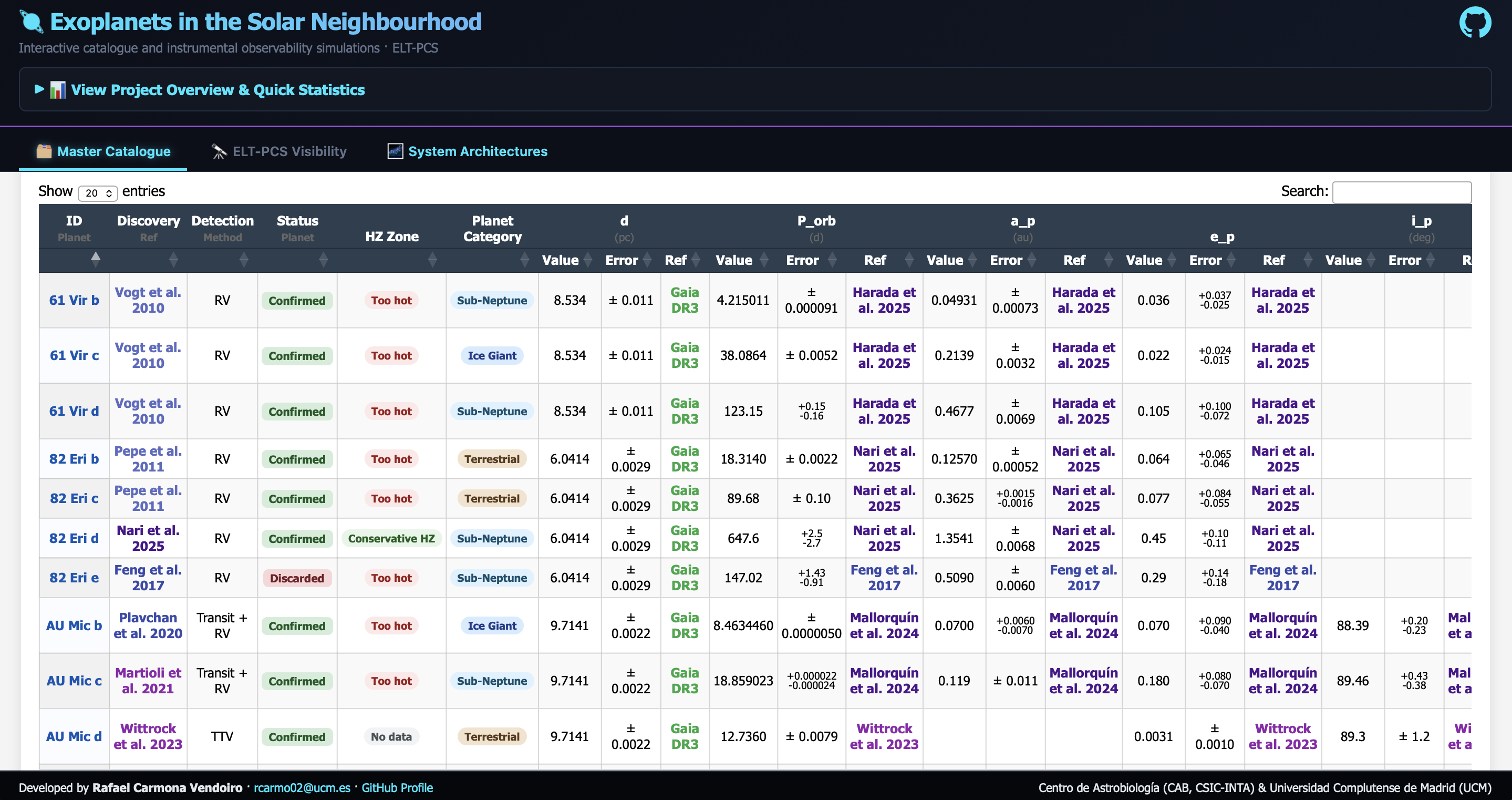
I specialize in data pipeline development in Python, planetary modeling, and system characterization. Having completed my Bachelor's Thesis on the GJ 486 and GJ 357 multiplanetary systems (supervised by Dr. David Montes) and built a solar neighborhood exoplanet catalogue at CAB (CSIC-INTA) with Dr. J.A. Caballero, I am continuing my research at Copenhagen's Niels Bohr Institute (UCPH).

Planetary Science Astrobiology Habitable Worlds Astronomical Instrumentation
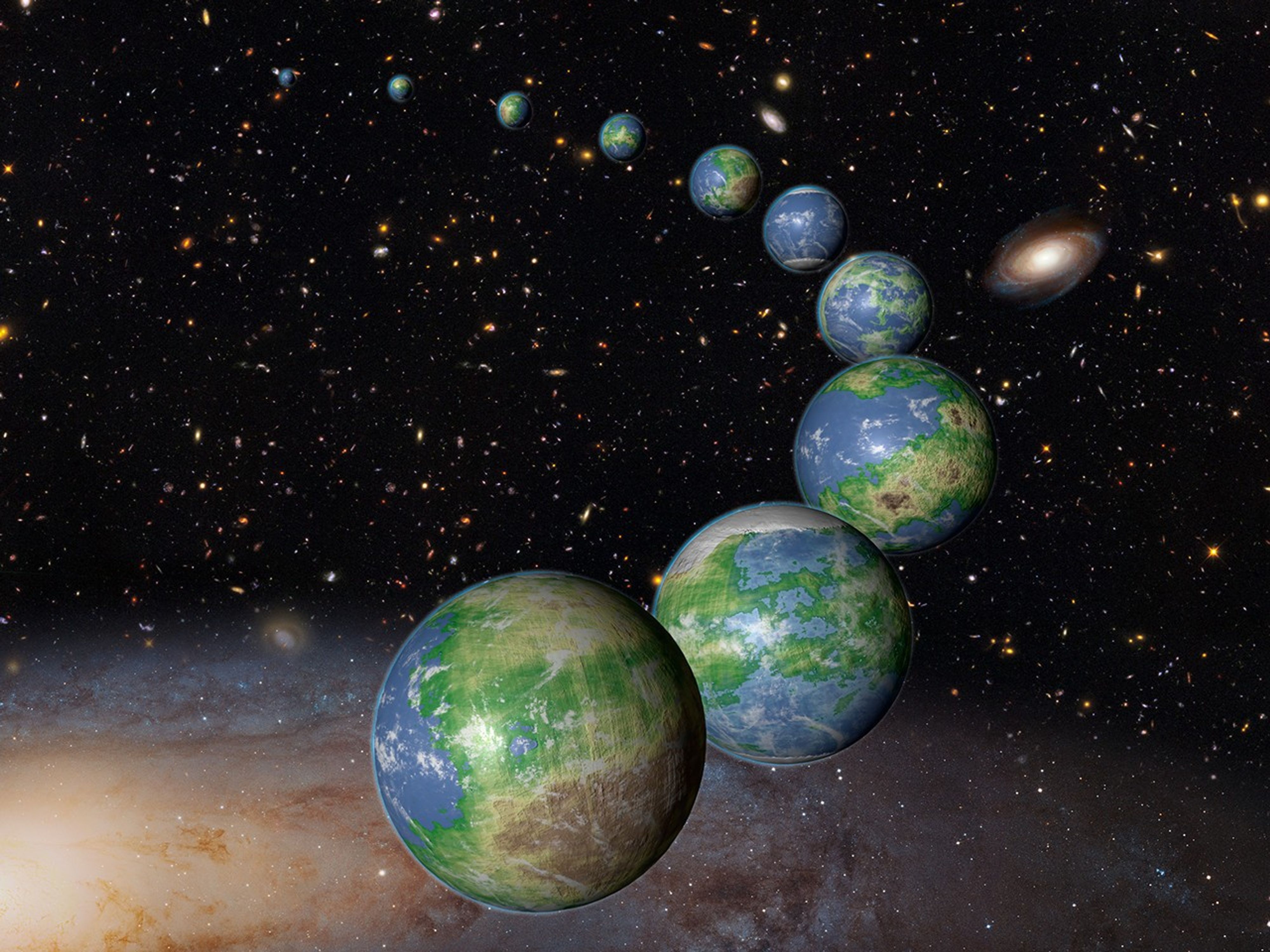
Exoplanet Characterization — Image Credit: NASA / JPL-Caltech Image: NASA / JPL-Caltech
CAB (CSIC-INTA) Research Project

Solar Neighborhood
Exoplanet Catalogue

Solar Neighborhood Exoplanet Catalogue

Constructed a unified, critically reviewed catalogue of exoplanetary systems within 10 parsecs of the Sun to evaluate habitability and direct imaging feasibility with ELT-PCS (e.g. Proxima Centauri b, GJ 1061 d).

Bachelor's Thesis (TFG 9.6/10)

Characterization of GJ 486 &
GJ 357 Systems

Exoplanetary System Characterization — Defense of Bachelor's Thesis

Joint Bayesian analysis using TESS photometry and 22-year radial velocity datasets from 5 spectrographs (CARMENES, HARPS, HIRES, PFS, UVES). Confirmed planet GJ 357 d within the conservative habitable zone.

Open Source Astrophysics

Bayesian Inference &
Data Pipelines

import juliet, dynesty
from lightkurve import search_targetpixelfile
# Joint Photometric & RV Modeling
dataset = juliet.load(priors=priors, fit_rv=True)

Developing Python pipelines using juliet, dynesty, Gaussian Process (GP) regression, lightkurve, and Astropy to model planetary orbits and mitigate stellar activity noise.